
|
市場調査レポート
商品コード
1517749
ゲーミング周辺機器市場:世界の産業規模、シェア、動向、機会、予測、製品別、デバイス別、タイプ別、流通チャネル別、地域別、競合、2019年~2029年Gaming Peripheral Market - Global Industry Size, Share, Trends, Opportunity, and Forecast, Segmented By Product, By Device, By Type, By Distribution Channel, By Region & Competition, 2019-2029F |
||||||
|
|
|||||||
カスタマイズ可能
|
|||||||
| ゲーミング周辺機器市場:世界の産業規模、シェア、動向、機会、予測、製品別、デバイス別、タイプ別、流通チャネル別、地域別、競合、2019年~2029年 |
|
出版日: 2024年07月21日
発行: TechSci Research
ページ情報: 英文 181 Pages
納期: 2~3営業日
|
全表示
- 概要
- 目次
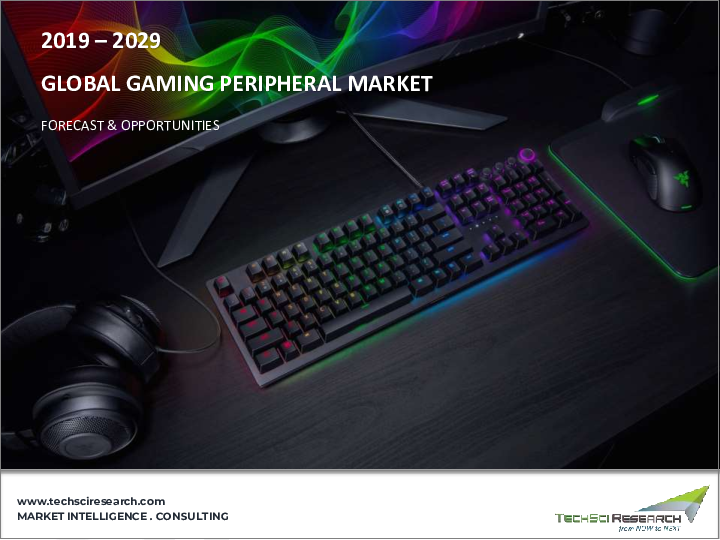
ゲーミング周辺機器の世界市場規模は2023年に424億米ドルとなり、2029年までの予測期間のCAGRは10.8%と堅調な成長が予測されています。
ゲーミング周辺機器の世界市場は、急成長するゲーム産業と拡大し続けるゲーム愛好家のコミュニティに後押しされ、大きな変革期を迎えています。キーボード、マウス、ヘッドセット、コントローラーなどのゲーミング周辺機器は、従来の機能を超えて、カスタマイズ可能なRGB照明、人間工学に基づいたデザイン、高精度センサーなどの高度な機能を提供するまでに進化しています。この市場を牽引しているのは、主にeスポーツの人気の高まりであり、プロゲーマーは競争優位のために最高級の周辺機器を要求します。消費者の可処分所得の増加と、高品質なゲーム体験への関心の高まりが、ゲーム周辺機器の需要急増につながっています。触覚フィードバック、ワイヤレス接続、バーチャル・リアリティとの統合といった技術の進歩が、市場の魅力をさらに高めています。eコマース・プラットフォームやオンライン小売チャネルは、これらの周辺機器を世界中の人々が簡単に入手できるようにし、市場の成長を促進しています。ゲームが娯楽の主流となりつつある中、世界のゲーミング周辺機器市場は、技術革新、競争ゲーム動向、没入型ゲーム体験の絶え間ない追求によって、継続的な拡大が見込まれています。
| 市場概要 | |
|---|---|
| 予測期間 | 2025-2029 |
| 市場規模:2023年 | 424億米ドル |
| 市場規模:2029年 | 791億6,000万米ドル |
| CAGR:2024年~2029年 | 10.8% |
| 急成長セグメント | オンライン |
| 最大市場 | 北米 |
市場促進要因
ゲーム革命と技術の進歩
eスポーツ産業の成長
可処分所得の増加とゲーム愛好家文化
主な市場課題
互換性と断片化
偽造品と低品質製品
環境への影響
主な市場動向
ゲーミングデバイスの普及拡大
急速な技術進歩
eスポーツとプロフェッショナル・ゲーミングへの注目の高まり
eスポーツとゲーミング小売チャネルの拡大
目次
第1章 概要
第2章 調査手法
第3章 エグゼクティブサマリー
第4章 COVID-19が世界のゲーミング周辺機器市場に与える影響
第5章 顧客の声
第6章 世界のゲーミング周辺機器市場概要
第7章 世界のゲーミング周辺機器市場展望
- 市場規模・予測
- 金額別
- 市場シェア・予測
- 製品別(ヘッドセット、キーボード、コントローラー、マウス、その他)
- デバイス別(PC、ゲーム機)
- タイプ別(有線、無線)
- 流通チャネル別(オンライン、オフライン)
- 地域別(北米、欧州、南米、中東・アフリカ、アジア太平洋)
- 企業別(2023)
- 市場マップ
第8章 北米のゲーミング周辺機器市場展望
- 市場規模・予測
- 金額別
- 市場シェア・予測
- 製品別
- デバイス別
- タイプ別
- 流通チャネル別
- 国別
- 北米:国別分析
- 米国
- カナダ
- メキシコ
第9章 欧州のゲーミング周辺機器市場展望
- 市場規模・予測
- 金額別
- 市場シェア・予測
- 製品別
- デバイス別
- タイプ別
- 流通チャネル別
- 国別
- 欧州:国別分析
- ドイツ
- フランス
- 英国
- イタリア
- スペイン
- ベルギー
第10章 南米のゲーミング周辺機器市場展望
- 市場規模・予測
- 金額別
- 市場シェア・予測
- 製品別
- デバイス別
- タイプ別
- 流通チャネル別
- 国別
- 南米:国別分析
- ブラジル
- コロンビア
- アルゼンチン
- チリ
- ペルー
第11章 中東・アフリカのゲーミング周辺機器市場展望
- 市場規模・予測
- 金額別
- 市場シェア・予測
- 製品別
- デバイス別
- タイプ別
- 流通チャネル別
- 国別
- 中東・アフリカ:国別分析
- サウジアラビア
- アラブ首長国連邦
- 南アフリカ
- トルコ
- イスラエル
第12章 アジア太平洋地域のゲーミング周辺機器市場展望
- 市場規模・予測
- 金額別
- 市場シェア・予測
- 製品別
- デバイス別
- タイプ別
- 流通チャネル別
- 国別
- アジア太平洋地域:国別分析
- 中国
- インド
- 日本
- 韓国
- オーストラリア
- インドネシア
- ベトナム
第13章 市場力学
- 促進要因
- 課題
第14章 市場動向と発展
第15章 企業プロファイル
- Anker Innovations Technology Co., Ltd
- Dell Technologies Inc.
- Corsair Memory Inc.
- Logitech Europe S.A.
- Razer Inc.
- Challenger Technology Limited
- Turtle Beach, Inc.
- Sennheiser electronic SE & Co. KG
- Guillemot Corporation S.A.
- Thermaltake Technology Co.
第16章 戦略的提言
第17章 調査会社について・免責事項
Global Gaming Peripheral Market was valued at USD 42.4 Billion in 2023 and is anticipated to project robust growth in the forecast period with a CAGR of 10.8% through 2029F. The Global Gaming Peripheral Market is undergoing a significant transformation, propelled by the burgeoning gaming industry and the ever-expanding community of gaming enthusiasts. Gaming peripherals, including keyboards, mice, headsets, and controllers, have evolved beyond conventional functionality to offer advanced features such as customizable RGB lighting, ergonomic designs, and high precision sensors. This market is primarily driven by the increasing popularity of esports, where professional gamers demand top-tier peripherals for competitive advantage. The rising disposable income among consumers, coupled with a growing interest in high-quality gaming experiences, has led to a surge in demand for gaming peripherals. Technological advancements like haptic feedback, wireless connectivity, and virtual reality integration have further augmented the market's appeal. E-commerce platforms and online retail channels have made these peripherals easily accessible to a global audience, fostering market growth. With gaming becoming a mainstream form of entertainment, the Global Gaming Peripheral Market is poised for continued expansion, driven by innovation, competitive gaming trends, and the constant quest for an immersive gaming experience.
| Market Overview | |
|---|---|
| Forecast Period | 2025-2029 |
| Market Size 2023 | USD 42.4 Billion |
| Market Size 2029 | USD 79.16 Billion |
| CAGR 2024-2029 | 10.8% |
| Fastest Growing Segment | Online |
| Largest Market | North America |
Key Market Drivers
Gaming Revolution and Technological Advancements
The Global Gaming Peripheral Market is witnessing a thriving expansion, propelled by the gaming revolution and rapid technological advancements. With the gaming industry evolving into a mainstream form of entertainment, the demand for high-performance gaming peripherals has soared. Gamers, both casual and professional, seek immersive experiences, driving the market for cutting-edge peripherals such as gaming keyboards, mice, controllers, and headsets. Technological innovations have played a pivotal role, integrating features like customizable RGB lighting, ultra-responsive sensors, ergonomic designs, and haptic feedback. These advancements cater to the discerning needs of gamers, enhancing gameplay and providing a competitive edge. The rise of esports has further fueled the demand, as professional gamers demand precision and reliability from their peripherals. Additionally, the shift towards wireless gaming peripherals has simplified setups and improved mobility, appealing to gamers worldwide. E-commerce platforms and online retail channels have democratized access to a wide array of gaming peripherals, enabling consumers to compare products, read reviews, and make informed choices. As the gaming industry continues to flourish, the Global Gaming Peripheral Market is set to experience sustained growth, driven by technological prowess, competitive gaming trends, and the relentless pursuit of unparalleled gaming experiences.
Growing Esports Industry
The global gaming peripheral market is experiencing significant growth, driven by the rapid expansion of the esports industry. Esports, or competitive video gaming, has gained immense popularity worldwide, attracting millions of viewers and participants. As the esports industry continues to grow, the demand for high-performance gaming peripherals has surged. Gaming peripherals include devices such as keyboards, mice, headsets, controllers, and monitors, which are specifically designed to enhance the gaming experience and provide competitive advantages to players. Professional esports players and enthusiasts are increasingly seeking advanced gaming peripherals that offer precision, responsiveness, comfort, and durability. These peripherals are essential for achieving optimal performance and maintaining a competitive edge in esports tournaments. Manufacturers in the gaming peripheral market are focusing on developing innovative and technologically advanced products to cater to the specific needs of esports players. Features such as customizable RGB lighting, programmable buttons, ergonomic designs, and high-resolution displays are becoming increasingly common in gaming peripherals. Additionally, the growing popularity of streaming platforms and content creation in the esports industry has further fueled the demand for gaming peripherals. Streamers and content creators require high-quality audio and video equipment, such as microphones, cameras, and capture cards, to deliver engaging and professional content to their audiences. The increasing number of esports events, both online and offline, has also contributed to the growth of the gaming peripheral market. These events attract a large number of participants and spectators, creating a need for reliable and high-performance gaming peripherals. Furthermore, the rising investments in esports infrastructure, including gaming arenas, training facilities, and sponsorships, have boosted the demand for gaming peripherals. Companies in the gaming peripheral market are partnering with esports teams and organizations to promote their products and establish brand presence in the esports ecosystem. In conclusion, the growing esports industry is a key driver of the global gaming peripheral market. The increasing demand for high-performance gaming peripherals from professional esports players, enthusiasts, streamers, and content creators has fueled the market's expansion. Manufacturers are continuously innovating and introducing advanced features to meet the evolving needs of the esports community. As the esports industry continues to thrive, the gaming peripheral market is expected to witness sustained growth in the coming years.
Rising Disposable Income and Gaming Enthusiast Culture
The global gaming peripheral market is experiencing significant growth, driven by the combination of rising disposable income and the growing gaming enthusiast culture. As disposable income levels increase across various regions, more individuals have the financial means to invest in gaming peripherals to enhance their gaming experience. Gaming enthusiasts, who are passionate about gaming and seek to immerse themselves fully in the virtual world, are willing to spend on high-quality gaming peripherals that offer superior performance, comfort, and customization options. These enthusiasts view gaming as a form of entertainment and self-expression, and they value the added benefits that gaming peripherals provide. Manufacturers in the gaming peripheral market are capitalizing on this trend by developing innovative and technologically advanced products that cater to the specific needs and preferences of gaming enthusiasts. Features such as customizable RGB lighting, programmable buttons, ergonomic designs, and high-resolution displays are becoming increasingly common in gaming peripherals, appealing to the desires of gaming enthusiasts. Additionally, the rise of esports and competitive gaming has further fueled the demand for high-performance gaming peripherals. Competitive gamers, who strive for precision and responsiveness in their gameplay, are willing to invest in top-notch peripherals to gain a competitive edge. The growing gaming enthusiast culture has also led to the expansion of the gaming peripheral market through online retail channels and e-commerce platforms. Gamers now have easy access to a wide range of gaming peripherals from various brands and sellers, allowing them to compare prices, read reviews, and make informed purchasing decisions. The convenience of online shopping has further contributed to the growth of the global gaming peripheral market. In conclusion, the combination of rising disposable income and the growing gaming enthusiast culture is driving the global gaming peripheral market. As more individuals have the financial means and passion for gaming, the demand for high-quality gaming peripherals is expected to continue growing. Manufacturers will continue to innovate and introduce advanced features to meet the evolving needs and preferences of gaming enthusiasts, ensuring sustained growth in the gaming peripheral market in the coming years.
Key Market Challenges
Compatibility and Fragmentation
The Global Gaming Peripheral Market faces significant challenges rooted in compatibility and fragmentation issues. With an ever-expanding array of gaming devices, each designed with specific interface standards, consumers often find themselves in perplexing situations. Gaming peripherals, ranging from controllers to keyboards, come with diverse connectivity requirements. This variation in interfaces, like USB-A, USB-C, or proprietary connectors, creates a maze of compatibility challenges. Gamers frequently encounter the need for multiple adapters and cables, leading to confusion and inconvenience. The rise of next-gen consoles and PCs, each with distinct port configurations, exacerbates this problem. Manufacturers and industry stakeholders grapple with the intricate landscape of standards, aiming to ensure seamless compatibility. The rapid evolution of gaming technology, including consoles, PCs, and mobile platforms, further intensifies the challenge, demanding continual adaptation and innovation in peripheral design.
Counterfeit and Low-Quality Products
The market for gaming peripherals is plagued by the proliferation of counterfeit and substandard products, posing significant risks to user safety and gaming device health. These low-quality peripherals often lack essential safety features, leading to overheating, electrical hazards, or damage to connected devices. Combatting this challenge demands stringent quality control measures and robust consumer awareness campaigns. Educating users to differentiate genuine products from counterfeit ones becomes crucial, emphasizing the significance of purchasing from authorized sellers and reputable sources. Counterfeit detection technologies and authentication mechanisms are imperative to safeguard consumers against the perils of subpar peripherals, ensuring their gaming experiences remain secure and enjoyable.
Environmental Impact
The gaming industry's rapid growth has inadvertently contributed to an alarming environmental issue: electronic waste. As gamers upgrade their consoles, PCs, and peripherals, the disposal of obsolete or malfunctioning devices poses a pressing challenge. Regrettably, many users resort to improper disposal methods, exacerbating the electronic waste dilemma. Addressing this challenge necessitates the implementation of sustainable practices within the gaming peripheral market. Initiatives promoting responsible disposal and recycling programs are paramount. Standardizing peripheral designs, encouraging the use of interchangeable components, and adopting eco-friendly materials can significantly reduce waste generation. Manufacturers play a pivotal role by embracing environmentally conscious manufacturing practices, utilizing recyclable or biodegradable materials, and advocating for energy-efficient production processes. Collaborative efforts between consumers, manufacturers, and regulatory bodies are imperative to usher in a greener era for gaming peripherals, mitigating the industry's impact on electronic waste and fostering a sustainable future.
Key Market Trends
Increased Adoption of Gaming Devices
The global gaming peripheral market is experiencing a substantial surge in growth, driven by the widespread adoption of gaming devices, including consoles, PCs, gaming laptops, and mobile platforms. Gaming has evolved from a niche hobby to a mainstream form of entertainment, captivating audiences across diverse demographics and regions. With the rise of esports and online multiplayer games, gaming peripherals such as high-performance mice, keyboards, controllers, and headsets have become essential tools for gamers seeking immersive and competitive experiences. This trend is further fueled by the continuous innovation in gaming technology, leading to the development of more powerful and feature-rich devices. As gaming enthusiasts demand higher precision, faster response times, and enhanced comfort, the gaming peripheral market is witnessing a relentless pursuit of innovation, ensuring that gamers have access to cutting-edge tools that elevate their gameplay.
Rapid Technological Advancements
The gaming peripheral market is characterized by rapid technological advancements aimed at enhancing gaming experiences. Manufacturers are constantly innovating to develop gaming peripherals with advanced features, ergonomic designs, and customizable options. High-performance sensors, mechanical switches, and immersive audio technologies are integrated into gaming mice, keyboards, and headsets, providing gamers with a competitive edge. Additionally, RGB lighting customization and programmable buttons allow users to personalize their peripherals, adding a touch of aesthetic appeal and functional versatility. The market also witnesses innovations in wireless technology, reducing input lag and offering seamless connectivity for wireless gaming peripherals. With the advent of haptic feedback and adaptive triggers, gaming controllers provide a more immersive experience, enhancing realism and responsiveness in gameplay. These technological advancements cater to the evolving demands of gamers, ensuring that they have access to peripherals that deliver unparalleled performance and customization options.
Growing Emphasis on Esports and Professional Gaming
The rise of esports and professional gaming leagues has significantly influenced the gaming peripheral market. Professional gamers, esports teams, and gaming enthusiasts are increasingly investing in high-quality peripherals to gain a competitive advantage. Esports athletes rely on precise and responsive gaming mice, keyboards, and controllers to enhance their gameplay and achieve optimal performance. As esports tournaments gain mainstream attention and substantial prize pools, the demand for top-tier gaming peripherals continues to soar. Gaming peripheral manufacturers collaborate with professional gamers to design specialized devices tailored to the unique requirements of competitive play. This trend not only drives the innovation in gaming peripherals but also creates a strong aspirational factor, inspiring casual gamers to invest in professional-grade equipment to enhance their skills and gaming experience.
Expansion of E-sports and Gaming Retail Channels
The expansion of esports and gaming retail channels has reshaped the gaming peripheral market. Esports tournaments, gaming conventions, and online streaming platforms have become platforms for showcasing the latest gaming peripherals. Gaming peripheral manufacturers sponsor esports teams, events, and influencers, creating brand visibility and awareness among gaming enthusiasts. Esports tournaments and gaming conventions serve as avenues for gamers to experience hands-on demonstrations of peripherals, allowing them to make informed purchasing decisions. Additionally, the growth of online gaming communities and forums provides a platform for gamers to discuss and recommend gaming peripherals, influencing the preferences of their peers. The surge in online streaming platforms dedicated to gaming content allows gamers to witness professional gamers and influencers using specific peripherals, creating a sense of trust and credibility. As gaming peripherals become essential components of the gaming lifestyle, the expansion of esports and gaming retail channels plays a pivotal role in shaping consumer preferences and driving the market forward.
Segmental Insights
Device Insights
The PC segment emerged as the dominant force in the Global Gaming Peripheral Market, a trend expected to persist firmly throughout the forecast period. PC gaming has witnessed a significant surge in popularity globally, driven by factors such as the accessibility and affordability of gaming PCs, the vast library of gaming titles available on PC platforms, and the flexibility for customization and upgrades. As a result, there has been a corresponding increase in demand for gaming peripherals tailored specifically for PC gamers. Manufacturers within the gaming peripheral market are catering to the diverse needs and preferences of PC gamers by developing a wide range of peripherals, including keyboards, mice, headsets, controllers, and monitors, designed to enhance the gaming experience on PC platforms. These peripherals offer features such as customizable RGB lighting, programmable buttons, ergonomic designs, and high-precision sensors, providing PC gamers with the precision, responsiveness, and immersion necessary for an optimal gaming experience. Moreover, the growing popularity of esports and competitive gaming on PC platforms has further fueled the demand for high-performance gaming peripherals among PC gamers seeking to gain a competitive edge. Additionally, the increasing adoption of online multiplayer gaming and digital distribution platforms has expanded the PC gaming community, driving sustained growth in the demand for gaming peripherals. With the continued advancements in PC hardware and the evolving preferences of PC gamers for feature-rich and technologically advanced peripherals, the PC segment is poised to maintain its dominance in the Global Gaming Peripheral Market, driving innovation and shaping the future of gaming peripherals tailored for PC gaming platforms
Regional Insights
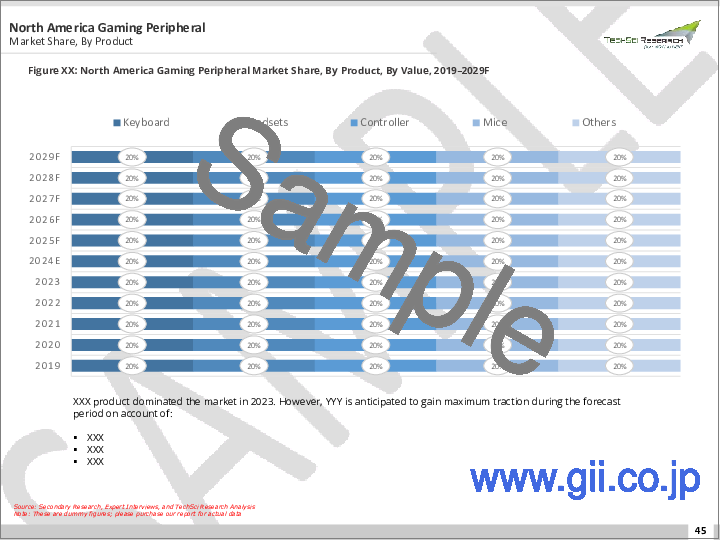
North America emerged as the dominant region in the Global Gaming Peripheral Market, a trend expected to persist firmly throughout the forecast period. Several factors contribute to North America's dominance in this market. North America boasts a mature gaming ecosystem, with a large population of avid gamers and a strong culture of gaming enthusiasts. The region is home to many leading gaming peripheral manufacturers, technology companies, and gaming communities, driving innovation and shaping trends in the global gaming market. North America's affluent consumer base and high disposable income levels enable gamers to invest in high-quality gaming peripherals, driving demand and market growth. Region's advanced technological infrastructure and widespread access to high-speed internet facilitate the adoption of cutting-edge gaming peripherals, including wired and wireless devices, gaming keyboards, mice, headsets, and controllers. Furthermore, the competitive landscape of esports and professional gaming in North America further fuels the demand for high-performance gaming peripherals among gamers seeking to gain a competitive edge. With the growing popularity of esports tournaments, gaming conventions, and online gaming communities, North America remains at the forefront of the global gaming peripheral market, driving innovation, market growth, and shaping the future of gaming peripherals tailored for the needs of gamers in the region and beyond.
Key Market Players
Anker Innovations Technology Co., Ltd
Dell Technologies Inc.
Corsair Memory Inc.
Logitech Europe S.A.
Razer Inc.
Challenger Technology Limited
Turtle Beach, Inc.
Sennheiser electronic SE & Co. KG
Guillemot Corporation S.A.
Thermaltake Technology Co.
Report Scope:
In this report, the Global Gaming Peripheral Market has been segmented into the following categories, in addition to the industry trends which have also been detailed below:
Gaming Peripheral Market, By Type:
-
Wired
Wireless
Gaming Peripheral Market, By Device:
-
PC
Gaming Consoles
Gaming Peripheral Market, By Product:
-
Headsets
Keyboard
Controller
Mice
Others
Gaming Peripheral Market, By Distribution Channel:
-
Online
Offline
Gaming Peripheral Market, By Region:
-
North America
United States
Canada
Mexico
-
Europe
France
United Kingdom
Italy
Germany
Spain
Belgium
-
Asia-Pacific
China
India
Japan
Australia
South Korea
Indonesia
Vietnam
-
South America
Brazil
Argentina
Colombia
Chile
Peru
-
Middle East & Africa
South Africa
Saudi Arabia
UAE
Turkey
Israel
Competitive Landscape
Company Profiles: Detailed analysis of the major companies present in the Global Gaming Peripheral Market.
Available Customizations:
Global Gaming Peripheral market report with the given market data, Tech Sci Research offers customizations according to a company's specific needs. The following customization options are available for the report:
Company Information
Detailed analysis and profiling of additional market players (up to five).
Table of Contents
1. Product Overview
- 1.1. Market Definition
- 1.2. Scope of the Market
- 1.2.1. Markets Covered
- 1.2.2. Years Considered for Study
- 1.2.3. Key Market Segmentations
2. Research Methodology
- 2.1. Objective of the Study
- 2.2. Baseline Methodology
- 2.3. Formulation of the Scope
- 2.4. Assumptions and Limitations
- 2.5. Sources of Research
- 2.5.1. Secondary Research
- 2.5.2. Primary Research
- 2.6. Approach for the Market Study
- 2.6.1. The Bottom-Up Approach
- 2.6.2. The Top-Down Approach
- 2.7. Methodology Followed for Calculation of Market Size & Market Shares
- 2.8. Forecasting Methodology
- 2.8.1. Data Triangulation & Validation
3. Executive Summary
4. Impact of COVID-19 on Global Gaming Peripheral Market
5. Voice of Customer
6. Global Gaming Peripheral Market Overview
7. Global Gaming Peripheral Market Outlook
- 7.1. Market Size & Forecast
- 7.1.1. By Value
- 7.2. Market Share & Forecast
- 7.2.1. By Product (Headsets, Keyboard, Controller, Mice, Others)
- 7.2.2. By Device (PC, Gaming Consoles)
- 7.2.3. By Type (Wired, Wireless)
- 7.2.4. By Distribution Channel (Online, Offline)
- 7.2.5. By Region (North America, Europe, South America, Middle East & Africa, Asia Pacific)
- 7.3. By Company (2023)
- 7.4. Market Map
8. North America Gaming Peripheral Market Outlook
- 8.1. Market Size & Forecast
- 8.1.1. By Value
- 8.2. Market Share & Forecast
- 8.2.1. By Product
- 8.2.2. By Device
- 8.2.3. By Type
- 8.2.4. By Distribution Channel
- 8.2.5. By Country
- 8.3. North America: Country Analysis
- 8.3.1. United States Gaming Peripheral Market Outlook
- 8.3.1.1. Market Size & Forecast
- 8.3.1.1.1. By Value
- 8.3.1.2. Market Share & Forecast
- 8.3.1.2.1. By Product
- 8.3.1.2.2. By Device
- 8.3.1.2.3. By Type
- 8.3.1.2.4. By Distribution Channel
- 8.3.1.1. Market Size & Forecast
- 8.3.2. Canada Gaming Peripheral Market Outlook
- 8.3.2.1. Market Size & Forecast
- 8.3.2.1.1. By Value
- 8.3.2.2. Market Share & Forecast
- 8.3.2.2.1. By Product
- 8.3.2.2.2. By Device
- 8.3.2.2.3. By Type
- 8.3.2.2.4. By Distribution Channel
- 8.3.2.1. Market Size & Forecast
- 8.3.3. Mexico Gaming Peripheral Market Outlook
- 8.3.3.1. Market Size & Forecast
- 8.3.3.1.1. By Value
- 8.3.3.2. Market Share & Forecast
- 8.3.3.2.1. By Product
- 8.3.3.2.2. By Device
- 8.3.3.2.3. By Type
- 8.3.3.2.4. By Distribution Channel
- 8.3.3.1. Market Size & Forecast
- 8.3.1. United States Gaming Peripheral Market Outlook
9. Europe Gaming Peripheral Market Outlook
- 9.1. Market Size & Forecast
- 9.1.1. By Value
- 9.2. Market Share & Forecast
- 9.2.1. By Product
- 9.2.2. By Device
- 9.2.3. By Type
- 9.2.4. By Distribution Channel
- 9.2.5. By Country
- 9.3. Europe: Country Analysis
- 9.3.1. Germany Gaming Peripheral Market Outlook
- 9.3.1.1. Market Size & Forecast
- 9.3.1.1.1. By Value
- 9.3.1.2. Market Share & Forecast
- 9.3.1.2.1. By Product
- 9.3.1.2.2. By Device
- 9.3.1.2.3. By Type
- 9.3.1.2.4. By Distribution Channel
- 9.3.1.1. Market Size & Forecast
- 9.3.2. France Gaming Peripheral Market Outlook
- 9.3.2.1. Market Size & Forecast
- 9.3.2.1.1. By Value
- 9.3.2.2. Market Share & Forecast
- 9.3.2.2.1. By Product
- 9.3.2.2.2. By Device
- 9.3.2.2.3. By Type
- 9.3.2.2.4. By Distribution Channel
- 9.3.2.1. Market Size & Forecast
- 9.3.3. United Kingdom Gaming Peripheral Market Outlook
- 9.3.3.1. Market Size & Forecast
- 9.3.3.1.1. By Value
- 9.3.3.2. Market Share & Forecast
- 9.3.3.2.1. By Product
- 9.3.3.2.2. By Device
- 9.3.3.2.3. By Type
- 9.3.3.2.4. By Distribution Channel
- 9.3.3.1. Market Size & Forecast
- 9.3.4. Italy Gaming Peripheral Market Outlook
- 9.3.4.1. Market Size & Forecast
- 9.3.4.1.1. By Value
- 9.3.4.2. Market Share & Forecast
- 9.3.4.2.1. By Product
- 9.3.4.2.2. By Device
- 9.3.4.2.3. By Type
- 9.3.4.2.4. By Distribution Channel
- 9.3.4.1. Market Size & Forecast
- 9.3.5. Spain Gaming Peripheral Market Outlook
- 9.3.5.1. Market Size & Forecast
- 9.3.5.1.1. By Value
- 9.3.5.2. Market Share & Forecast
- 9.3.5.2.1. By Product
- 9.3.5.2.2. By Device
- 9.3.5.2.3. By Type
- 9.3.5.2.4. By Distribution Channel
- 9.3.5.1. Market Size & Forecast
- 9.3.6. Belgium Gaming Peripheral Market Outlook
- 9.3.6.1. Market Size & Forecast
- 9.3.6.1.1. By Value
- 9.3.6.2. Market Share & Forecast
- 9.3.6.2.1. By Product
- 9.3.6.2.2. By Device
- 9.3.6.2.3. By Type
- 9.3.6.2.4. By Distribution Channel
- 9.3.6.1. Market Size & Forecast
- 9.3.1. Germany Gaming Peripheral Market Outlook
10. South America Gaming Peripheral Market Outlook
- 10.1. Market Size & Forecast
- 10.1.1. By Value
- 10.2. Market Share & Forecast
- 10.2.1. By Product
- 10.2.2. By Device
- 10.2.3. By Type
- 10.2.4. By Distribution Channel
- 10.2.5. By Country
- 10.3. South America: Country Analysis
- 10.3.1. Brazil Gaming Peripheral Market Outlook
- 10.3.1.1. Market Size & Forecast
- 10.3.1.1.1. By Value
- 10.3.1.2. Market Share & Forecast
- 10.3.1.2.1. By Product
- 10.3.1.2.2. By Device
- 10.3.1.2.3. By Type
- 10.3.1.2.4. By Distribution Channel
- 10.3.1.1. Market Size & Forecast
- 10.3.2. Colombia Gaming Peripheral Market Outlook
- 10.3.2.1. Market Size & Forecast
- 10.3.2.1.1. By Value
- 10.3.2.2. Market Share & Forecast
- 10.3.2.2.1. By Product
- 10.3.2.2.2. By Device
- 10.3.2.2.3. By Type
- 10.3.2.2.4. By Distribution Channel
- 10.3.2.1. Market Size & Forecast
- 10.3.3. Argentina Gaming Peripheral Market Outlook
- 10.3.3.1. Market Size & Forecast
- 10.3.3.1.1. By Value
- 10.3.3.2. Market Share & Forecast
- 10.3.3.2.1. By Product
- 10.3.3.2.2. By Device
- 10.3.3.2.3. By Type
- 10.3.3.2.4. By Distribution Channel
- 10.3.3.1. Market Size & Forecast
- 10.3.4. Chile Gaming Peripheral Market Outlook
- 10.3.4.1. Market Size & Forecast
- 10.3.4.1.1. By Value
- 10.3.4.2. Market Share & Forecast
- 10.3.4.2.1. By Product
- 10.3.4.2.2. By Device
- 10.3.4.2.3. By Type
- 10.3.4.2.4. By Distribution Channel
- 10.3.4.1. Market Size & Forecast
- 10.3.5. Peru Gaming Peripheral Market Outlook
- 10.3.5.1. Market Size & Forecast
- 10.3.5.1.1. By Value
- 10.3.5.2. Market Share & Forecast
- 10.3.5.2.1. By Product
- 10.3.5.2.2. By Device
- 10.3.5.2.3. By Type
- 10.3.5.2.4. By Distribution Channel
- 10.3.5.1. Market Size & Forecast
- 10.3.1. Brazil Gaming Peripheral Market Outlook
11. Middle East & Africa Gaming Peripheral Market Outlook
- 11.1. Market Size & Forecast
- 11.1.1. By Value
- 11.2. Market Share & Forecast
- 11.2.1. By Product
- 11.2.2. By Device
- 11.2.3. By Type
- 11.2.4. By Distribution Channel
- 11.2.5. By Country
- 11.3. Middle East & Africa: Country Analysis
- 11.3.1. Saudi Arabia Gaming Peripheral Market Outlook
- 11.3.1.1. Market Size & Forecast
- 11.3.1.1.1. By Value
- 11.3.1.2. Market Share & Forecast
- 11.3.1.2.1. By Product
- 11.3.1.2.2. By Device
- 11.3.1.2.3. By Type
- 11.3.1.2.4. By Distribution Channel
- 11.3.1.1. Market Size & Forecast
- 11.3.2. UAE Gaming Peripheral Market Outlook
- 11.3.2.1. Market Size & Forecast
- 11.3.2.1.1. By Value
- 11.3.2.2. Market Share & Forecast
- 11.3.2.2.1. By Product
- 11.3.2.2.2. By Device
- 11.3.2.2.3. By Type
- 11.3.2.2.4. By Distribution Channel
- 11.3.2.1. Market Size & Forecast
- 11.3.3. South Africa Gaming Peripheral Market Outlook
- 11.3.3.1. Market Size & Forecast
- 11.3.3.1.1. By Value
- 11.3.3.2. Market Share & Forecast
- 11.3.3.2.1. By Product
- 11.3.3.2.2. By Device
- 11.3.3.2.3. By Type
- 11.3.3.2.4. By Distribution Channel
- 11.3.3.1. Market Size & Forecast
- 11.3.4. Turkey Gaming Peripheral Market Outlook
- 11.3.4.1. Market Size & Forecast
- 11.3.4.1.1. By Value
- 11.3.4.2. Market Share & Forecast
- 11.3.4.2.1. By Product
- 11.3.4.2.2. By Device
- 11.3.4.2.3. By Type
- 11.3.4.2.4. By Distribution Channel
- 11.3.4.1. Market Size & Forecast
- 11.3.5. Israel Gaming Peripheral Market Outlook
- 11.3.5.1. Market Size & Forecast
- 11.3.5.1.1. By Value
- 11.3.5.2. Market Share & Forecast
- 11.3.5.2.1. By Product
- 11.3.5.2.2. By Device
- 11.3.5.2.3. By Type
- 11.3.5.2.4. By Distribution Channel
- 11.3.5.1. Market Size & Forecast
- 11.3.1. Saudi Arabia Gaming Peripheral Market Outlook
12. Asia Pacific Gaming Peripheral Market Outlook
- 12.1. Market Size & Forecast
- 12.1.1. By Value
- 12.2. Market Share & Forecast
- 12.2.1. By Product
- 12.2.2. By Device
- 12.2.3. By Type
- 12.2.4. By Distribution Channel
- 12.2.5. By Country
- 12.3. Asia-Pacific: Country Analysis
- 12.3.1. China Gaming Peripheral Market Outlook
- 12.3.1.1. Market Size & Forecast
- 12.3.1.1.1. By Value
- 12.3.1.2. Market Share & Forecast
- 12.3.1.2.1. By Product
- 12.3.1.2.2. By Device
- 12.3.1.2.3. By Type
- 12.3.1.2.4. By Distribution Channel
- 12.3.1.1. Market Size & Forecast
- 12.3.2. India Gaming Peripheral Market Outlook
- 12.3.2.1. Market Size & Forecast
- 12.3.2.1.1. By Value
- 12.3.2.2. Market Share & Forecast
- 12.3.2.2.1. By Product
- 12.3.2.2.2. By Device
- 12.3.2.2.3. By Type
- 12.3.2.2.4. By Distribution Channel
- 12.3.2.1. Market Size & Forecast
- 12.3.3. Japan Gaming Peripheral Market Outlook
- 12.3.3.1. Market Size & Forecast
- 12.3.3.1.1. By Value
- 12.3.3.2. Market Share & Forecast
- 12.3.3.2.1. By Product
- 12.3.3.2.2. By Device
- 12.3.3.2.3. By Type
- 12.3.3.2.4. By Distribution Channel
- 12.3.3.1. Market Size & Forecast
- 12.3.4. South Korea Gaming Peripheral Market Outlook
- 12.3.4.1. Market Size & Forecast
- 12.3.4.1.1. By Value
- 12.3.4.2. Market Share & Forecast
- 12.3.4.2.1. By Product
- 12.3.4.2.2. By Device
- 12.3.4.2.3. By Type
- 12.3.4.2.4. By Distribution Channel
- 12.3.4.1. Market Size & Forecast
- 12.3.5. Australia Gaming Peripheral Market Outlook
- 12.3.5.1. Market Size & Forecast
- 12.3.5.1.1. By Value
- 12.3.5.2. Market Share & Forecast
- 12.3.5.2.1. By Product
- 12.3.5.2.2. By Device
- 12.3.5.2.3. By Type
- 12.3.5.2.4. By Distribution Channel
- 12.3.5.1. Market Size & Forecast
- 12.3.6. Indonesia Gaming Peripheral Market Outlook
- 12.3.6.1. Market Size & Forecast
- 12.3.6.1.1. By Value
- 12.3.6.2. Market Share & Forecast
- 12.3.6.2.1. By Product
- 12.3.6.2.2. By Device
- 12.3.6.2.3. By Type
- 12.3.6.2.4. By Distribution Channel
- 12.3.6.1. Market Size & Forecast
- 12.3.7. Vietnam Gaming Peripheral Market Outlook
- 12.3.7.1. Market Size & Forecast
- 12.3.7.1.1. By Value
- 12.3.7.2. Market Share & Forecast
- 12.3.7.2.1. By Product
- 12.3.7.2.2. By Device
- 12.3.7.2.3. By Type
- 12.3.7.2.4. By Distribution Channel
- 12.3.7.1. Market Size & Forecast
- 12.3.1. China Gaming Peripheral Market Outlook
13. Market Dynamics
- 13.1. Drivers
- 13.2. Challenges
14. Market Trends and Developments
15. Company Profiles
- 15.1. Anker Innovations Technology Co., Ltd
- 15.1.1. Business Overview
- 15.1.2. Key Revenue and Financials
- 15.1.3. Recent Developments
- 15.1.4. Key Personnel/Key Contact Person
- 15.1.5. Key Product/Services Offered
- 15.2. Dell Technologies Inc.
- 15.2.1. Business Overview
- 15.2.2. Key Revenue and Financials
- 15.2.3. Recent Developments
- 15.2.4. Key Personnel/Key Contact Person
- 15.2.5. Key Product/Services Offered
- 15.3. Corsair Memory Inc.
- 15.3.1. Business Overview
- 15.3.2. Key Revenue and Financials
- 15.3.3. Recent Developments
- 15.3.4. Key Personnel/Key Contact Person
- 15.3.5. Key Product/Services Offered
- 15.4. Logitech Europe S.A.
- 15.4.1. Business Overview
- 15.4.2. Key Revenue and Financials
- 15.4.3. Recent Developments
- 15.4.4. Key Personnel/Key Contact Person
- 15.4.5. Key Product/Services Offered
- 15.5. Razer Inc.
- 15.5.1. Business Overview
- 15.5.2. Key Revenue and Financials
- 15.5.3. Recent Developments
- 15.5.4. Key Personnel/Key Contact Person
- 15.5.5. Key Product/Services Offered
- 15.6. Challenger Technology Limited
- 15.6.1. Business Overview
- 15.6.2. Key Revenue and Financials
- 15.6.3. Recent Developments
- 15.6.4. Key Personnel/Key Contact Person
- 15.6.5. Key Product/Services Offered
- 15.7. Turtle Beach, Inc.
- 15.7.1. Business Overview
- 15.7.2. Key Revenue and Financials
- 15.7.3. Recent Developments
- 15.7.4. Key Personnel/Key Contact Person
- 15.7.5. Key Product/Services Offered
- 15.8. Sennheiser electronic SE & Co. KG
- 15.8.1. Business Overview
- 15.8.2. Key Revenue and Financials
- 15.8.3. Recent Developments
- 15.8.4. Key Personnel/Key Contact Person
- 15.8.5. Key Product/Services Offered
- 15.9. Guillemot Corporation S.A.
- 15.9.1. Business Overview
- 15.9.2. Key Revenue and Financials
- 15.9.3. Recent Developments
- 15.9.4. Key Personnel/Key Contact Person
- 15.9.5. Key Product/Services Offered
- 15.10. Thermaltake Technology Co.
- 15.10.1. Business Overview
- 15.10.2. Key Revenue and Financials
- 15.10.3. Recent Developments
- 15.10.4. Key Personnel/Key Contact Person
- 15.10.5. Key Product/Services Offered